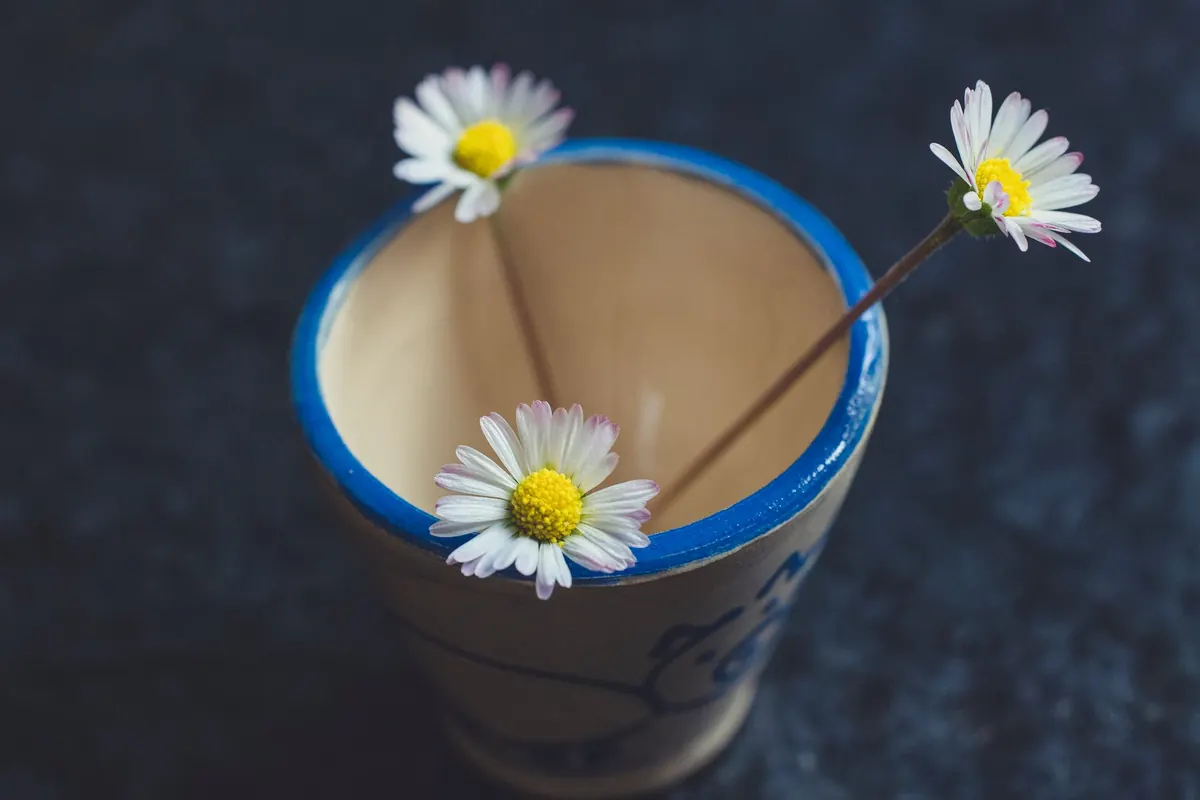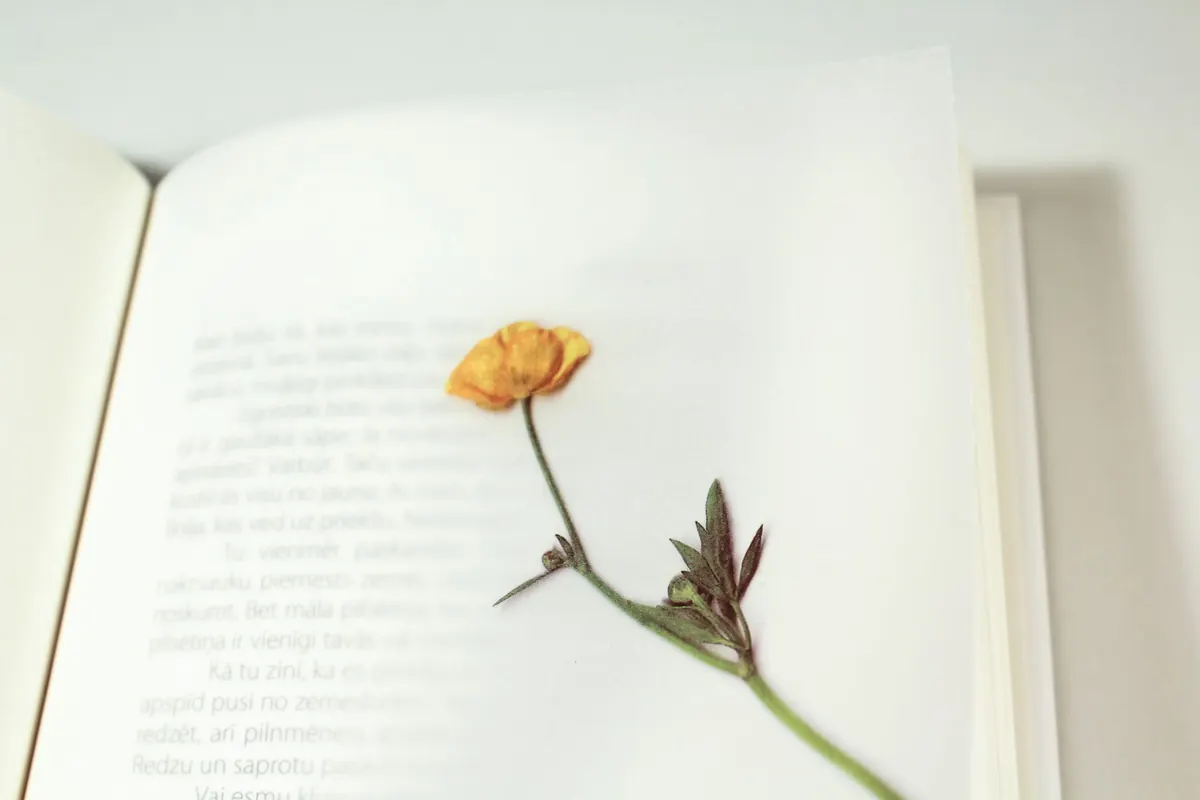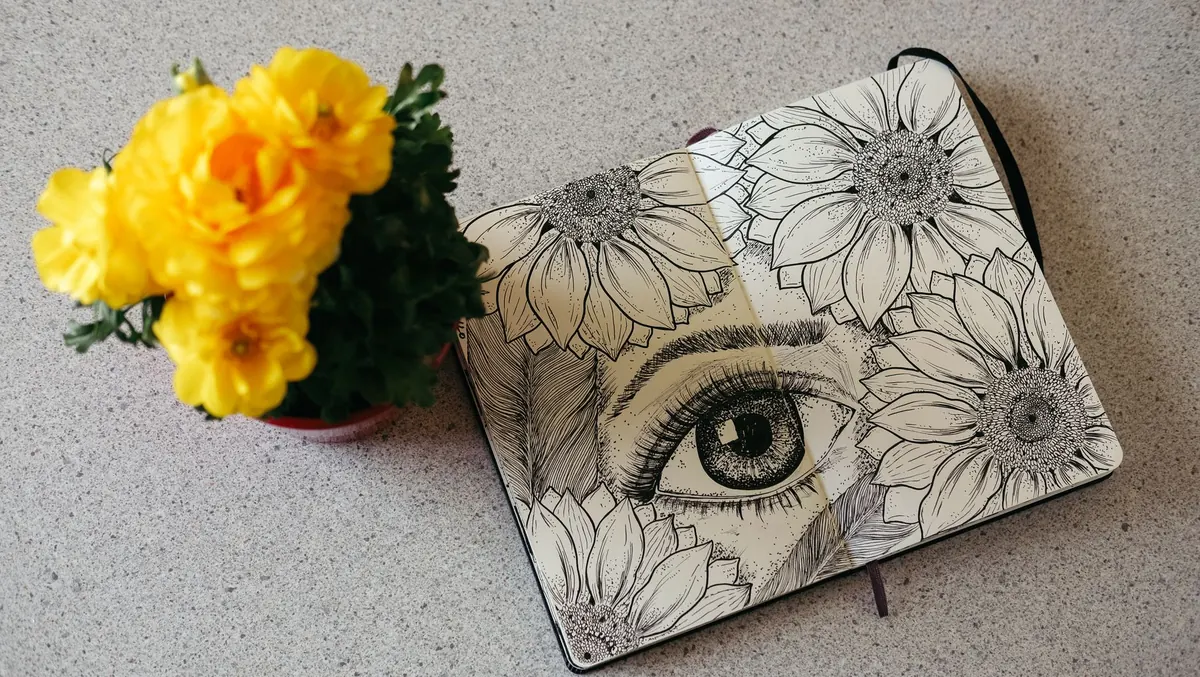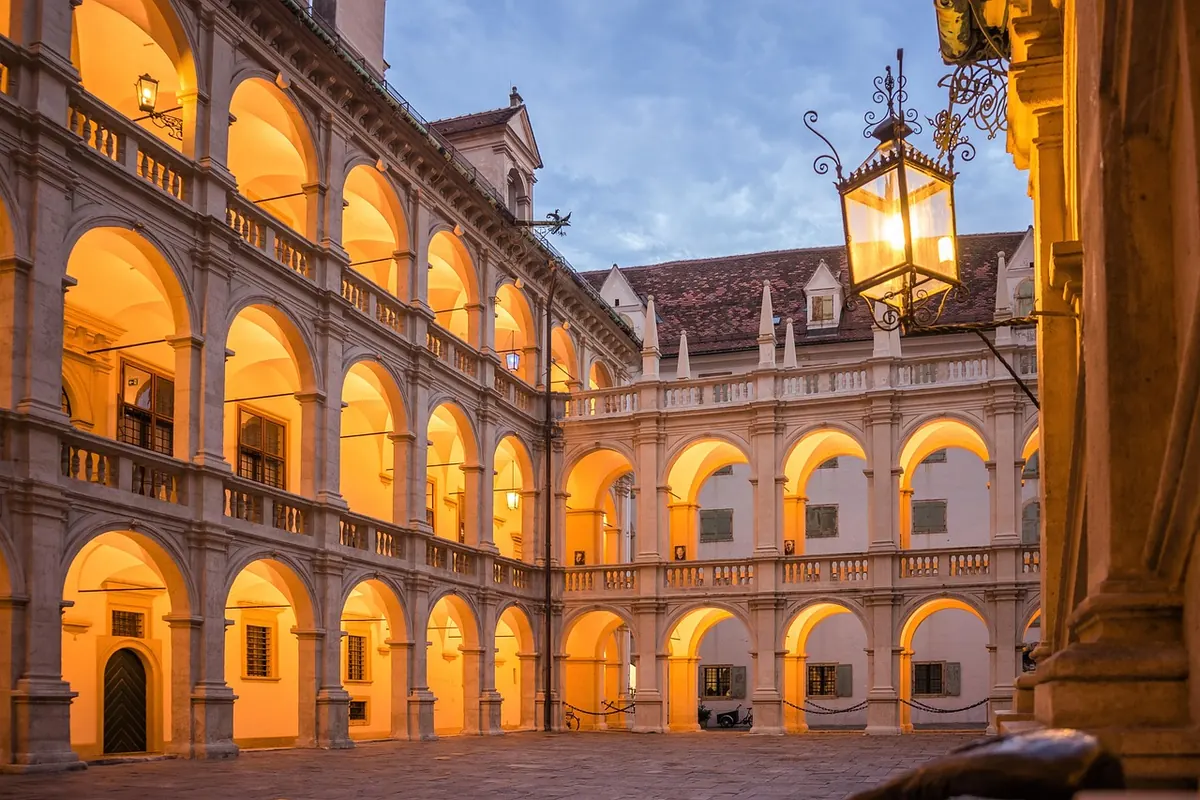
Walk into a Tuscan kitchen in June and you might find a single sunflower in an old olive-oil tin. Do the same in February and there will be a branch of flowering quince in a glass jar, set where the light falls across the table. Italian floral style is less a look than a calendar. The flower market changes weekly; the table follows the garden, the feast days, the first cold snap. What follows is a working checklist for the year — one section per season, plus notes on containers and table settings that hold for all twelve months.
Spring: Buy in One Colour, Gather What Is Already Out
Spring arrives early in the Italian imagination, even when the weather disagrees. From March the stalls fill with ranunculus in tight, papery spirals, anemones with their near-black centres, and tulips sold by the bunch rather than the stem. Buy one variety in one colour and put it in the simplest vessel you own. The mixed bouquet is a florist's habit; the Italian habit is to place a single thing well and let it be.
Before you buy anything, look at your own garden or the strip of green between the pavement and the wall. Flowering quince, forsythia, broom and the first rosemary flowers all last longer in water than a hothouse rose, and they cost nothing. Cut branches in the morning, strip any leaves that would sit below the waterline, and give them a deep bucket for a few hours before arranging.
The spring checklist
- Flowers to buy: ranunculus, anemone, narcissus, tulips, hyacinth, lilac when it appears
- Branches to gather: flowering quince, forsythia, broom, rosemary in flower
- Containers to bring out: bare terracotta, a white ceramic pitcher, small clear glasses for short stems
- Table: pale linen or none at all, small tumblers, a bowl of almonds, bread on a wooden board
- One job first: wash last year's vases and saucers before the season gets going
Keep spring arrangements low and slightly uneven. Three stems in a jar on the kitchen counter will do more for a room than a formal centrepiece, and they can move to the bathroom shelf when the table needs the space. If you are setting a lunch table, cut the flowers short enough that people can see across them — a rule that holds in every season.
Summer: Move Everything Outside and Water in the Morning
Summer is when the table moves out and flowers become almost incidental. Pots of geraniums, a lemon tree by the door, basil going to flower because you forgot to pinch it: that is the Italian look far more than anything bought by the stem. If you have a balcony, treat it as the first room of the house and put the heaviest pots where they catch the morning sun.
Inside, keep it cool and simple. Hydrangeas cut from the garden, oleander in a tall jar, a handful of lavender on a windowsill, a bowl of lemons with the leaves still on. Change the water daily in hot weather, and twice a day for hydrangeas, which drink as though they have been walking in the sun. Keep vases out of the direct afternoon light; flowers last longer in a dim corner than in a bright window.
For the table, think shade, glass and a low centre. A linen cloth, mismatched glasses, a jug of water with lemon verbena or mint. Two or three small jars spaced down the length of the table work better than one large arrangement, because they let conversation pass. If you are eating outdoors, weight the cloth and keep a candle lantern for when the light goes.
Autumn: Olive Branches, Amber Glass and a Bowl of Something Edible
Autumn in Italy smells of woodsmoke and wet stone, and the flowers change character. Olive branches are the workhorse of the season: silvery, unbothered by a warm room, and good for several weeks if you change the water. Combine them with dried wheat, seed heads, papery hydrangeas cut before the rain, sedum and the first rosehips.
Chrysanthemums deserve a word of caution. In Italy they are bought for All Saints' Day and taken to the cemetery, so a bright pot on a birthday table reads oddly to Italian guests. Use them outside by the door, or not at all.
At the table, shift towards copper, amber glass and bowls of figs, walnuts and grapes. Terracotta comes back into its own. A candle or two lit before the food arrives is not decoration; it changes the room.
Winter: Forced Bulbs, Citrus and Evergreen Cut Short
Winter is the season for buying one thing and looking after it properly. An amaryllis in a plain pot, paperwhites in a shallow bowl of gravel, a cyclamen kept cool on a north-facing sill. All three ask the same discipline: do not overwater, keep them away from radiators, and turn the pot a quarter turn every few days so the stems do not lean.
Outdoors, gather what stays green — bay, rosemary, ivy, the dark leaves of a camellia, hellebore if you have it. Cut the stems short for a low arrangement of evergreen and dried orange slices, or put a single branch in a bottle on the kitchen windowsill. Winter arrangements can be much sparser than you think.
On the table, use dark green or unbleached linen, brass or beeswax candles, mandarins in a shallow bowl and warm-toned ceramics. Keep the centre low and leave room for the bread board and the wine.
Containers: The Italian Habit of Reusing
The Italian floral look comes as much from the vessel as from the flower. Old olive-oil tins, copper pots, marble mortars, glass apothecary jars, zinc buckets, wicker baskets and pitchers with mended handles — these are what to look for at markets and in your own cupboards.
Rules that keep flowers alive
- Anything holding water must be clean; scrub it with a little bicarbonate of soda before use
- Terracotta breathes and dries out fast, so soak new pots and water more often
- Tin and copper need a glass liner inside to stop rust and stop metal reacting with stems
- A narrow neck holds stems upright and is easier to work with than a wide mouth
- Cover bare soil with moss or gravel if the pot will be seen
Look around your kitchen before you buy a vase. A tall glass jar, a small jug, a teapot with a chipped spout: all of them will hold a few stems and look more settled on a shelf than something new. The point is not shabbiness. It is the sense that the container had a life before the flowers arrived.
The Table: Fewer Things, Better Spaced
Italian tables tend to be plainer than the ones we see photographed. The food is the event; the setting only has to be generous and calm. A short checklist for any season:
- Start with cloth or wood — an ironed linen cloth, a striped runner, or nothing at all on a good wooden table.
- Use the plates you actually like, and mix two patterns if you want to; a plain white plate beside a hand-painted one looks collected rather than careless.
- Put down fewer glasses than you think you need. One water glass and one wine glass per person is generous.
- Place flowers in two or three small vessels rather than one centrepiece, and keep them below eye level.
- Leave the middle free for the food: bread on a board, oil in a small jug, salt in an open dish.
Keep a Shelf and a Box
Give yourself one shelf for vessels and one box for everything else — florist's scissors, twine, a roll of brown paper, spare candles, a bag of gravel, a few glass liners. Once a season, take everything off the shelf, wash it, and put back only what you will genuinely use in the next three months. Store the rest out of sight. This single habit does more for a house than any shopping trip: it keeps the containers ready, the clutter gone, and the arrangements honest. Follow the season rather than the trend, and the room will look Italian without anyone having to say so.