A calm home is rarely the result of one big decision. Nobody clears a weekend, paints everything bone white and emerges serene. What changes the feel of a room is smaller and far more repetitive: the window pushed open before the kettle goes on, the counter wiped while the pasta water boils, the bag unpacked at the door instead of abandoned on the nearest chair.
These are rituals rather than chores, and the difference is worth holding on to. A chore is something to finish. A ritual is something to return to. The seven below need no new furniture, no free weekend, no permission from anyone. Start with two. Keep them for a fortnight. Add a third when the first two have stopped requiring thought.
1. Open the window before you open the phone
Before you read a single message, walk into the room you slept in and open the window wide. Three minutes is enough in winter; leave it longer in summer. Pull the sheets back so the bed can breathe, and carry last night's glass of water down to the kitchen on your way out.
The point isn't hygiene so much as sequence. You are telling the flat, and yourself, that the day begins with air and light rather than with someone else's requests. Rooms hold the night longer than we think: last night's cooking, last night's conversation, the particular smell of a radiator left on too long. A few minutes of cross-breeze clears all of it. Make the bed last, not first, so the mattress airs while you're in the bathroom.
2. Clear one surface, not the whole house
Tidying an entire home is a project, and projects get postponed. Clearing one surface takes ninety seconds and changes how a room reads from the doorway. Choose the surface you see first when you walk in — usually the kitchen counter, sometimes a hallway shelf or the table beside the bed.
Three rules keep this honest:
- Nothing stays on the surface "for now". It goes to its place, or into a box to be dealt with at the weekend.
- Finish the surface completely, including the crumbs behind the toaster and the ring left by a mug.
- Do it at the same time each day, so it never becomes a decision.
A cleared counter does more for a kitchen than a new coat of paint. It also makes the rest of the room look deliberate rather than neglected, which is most of what people mean when they call a home calm.
3. Give arriving things a home
Most household clutter is not clutter at all. It is luggage in transit: keys, post, a tote bag, a jacket, the shoes you'll wear tomorrow. Nothing has a place, so everything rests on a chair. Fix the doorway first, because that is where the traffic is.
You need one hook, one shallow bowl and one basket. Keys and post in the bowl, bag on the hook, shoes under the bench. Post gets opened the same day — not answered, just opened, so it stops being an unread pile. If the basket fills during the week, empty it on Sunday evening. The doorway should feel like a doorway again, not a storage unit with a doormat.
4. Turn the lights down before you turn them off
Overhead lighting is for working. After dinner, switch the ceiling light off and light one lamp in the corner where you actually sit. If there's a second, smaller lamp for the other end of the room, so much the better. A candle on the table does the same job and gives the evening an edge.
This is the fastest way to make a room feel gentler, and it costs nothing if the lamps are already there. Move them if you have to. Light should land on the furniture you use, not on the middle of the floor. Do it at the same point each evening — when the plates are cleared, say — so the lowering of the light becomes the signal that the working day is over.
5. Keep one living thing in view
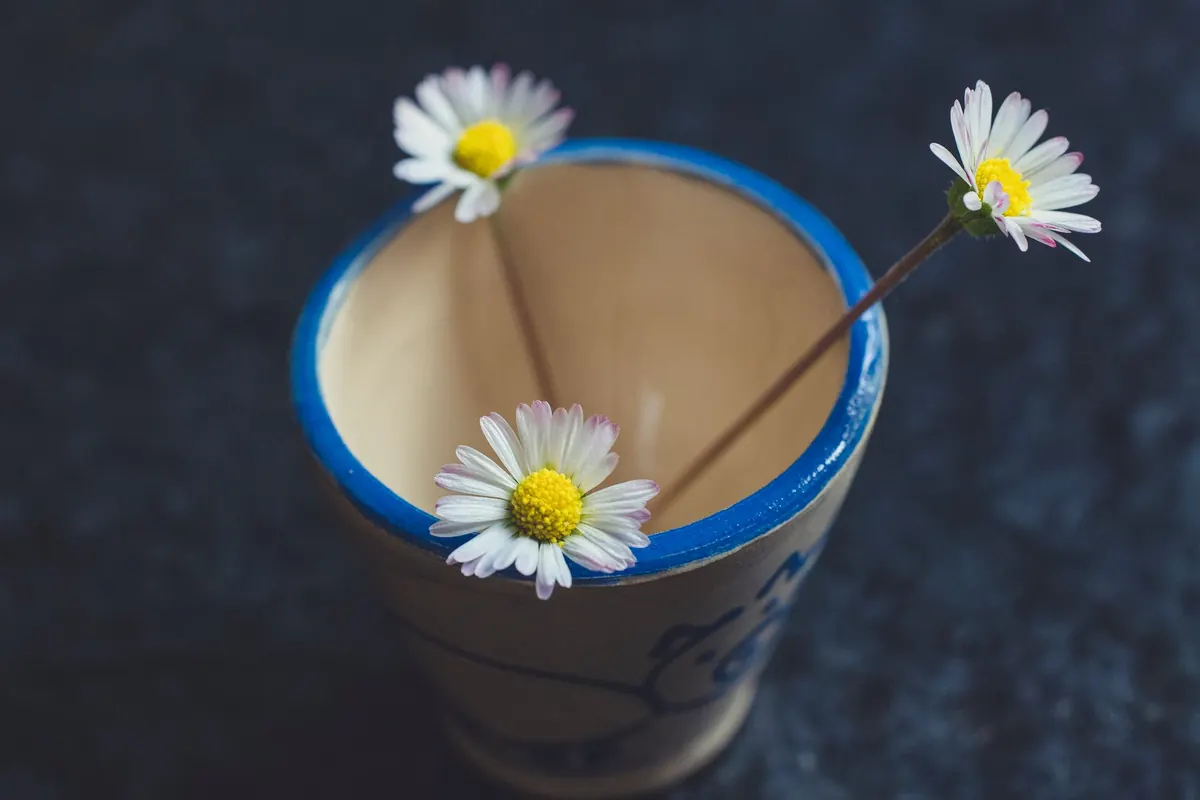
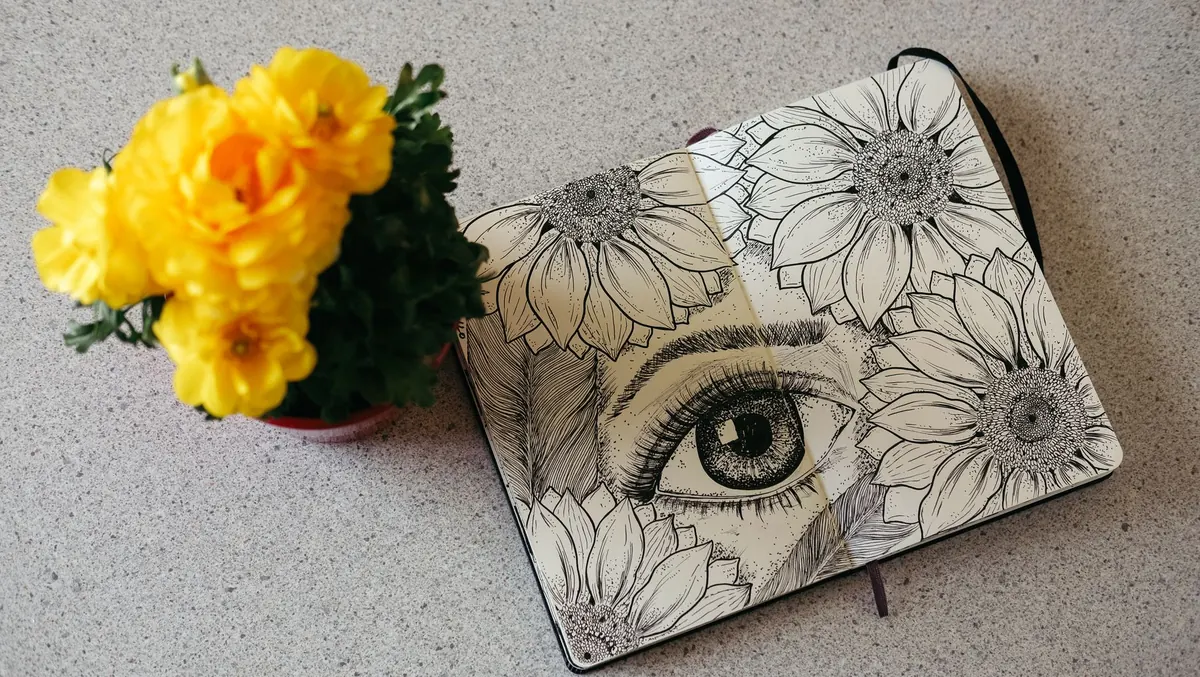
A house with something growing in it feels occupied in the best sense. It doesn't have to be an arrangement. Three stems of whatever is in season and forgiving — chrysanthemums, alstroemeria, a few branches of eucalyptus — in a jam jar on the counter will do more than a formal bouquet that appears twice a year.
Trim the stems at an angle when you bring them in, change the water every second day, and cut a centimetre off the ends each time. That small act of maintenance is the ritual as much as the flowers are: two minutes of attention paid to something that will wilt if you ignore it. A single plant on a windowsill counts. So does a herb pot by the sink, provided you actually use it.
6. Close the kitchen before you close the day
A kitchen left in the state of dinner will greet you badly at breakfast. Ten minutes after the last plate is cleared, do this:
- Wash or load everything, including the pan you were going to soak.
- Wipe the counters, the hob and the table.
- Empty the sink and wring out the cloth.
- Put out tomorrow's mugs and the kettle, so the morning starts with a small kindness.
- Take the rubbish out if it's full, and switch the light off on your way through.
Nobody is asking for a showroom. A clean sink and a dry counter are enough. The reward arrives the next morning, when you walk into a room that is already on your side.
7. End with ten quiet minutes
The last ritual is the hardest, because it means not filling the time. Ten minutes before bed, put the phone in another room. Sit somewhere with a cup of tea, or a book you're halfway through, or nothing at all. Don't tidy. Don't plan. Let the room be as it is.
If silence feels uncomfortable, start with music instead — one side of an album, chosen before you sit down so you aren't scrolling for something to listen to. The aim is a stretch of time with no inputs arriving and nothing to complete. The last ten minutes of a day tend to colour the first ten of the next. Give it a fortnight before you judge it.
Start with two, not seven
Seven rituals describe a settled home; they are not an instruction for Monday morning. Choose the two that address what actually bothers you. If the kitchen greets you badly, take rituals two and six. If the evenings blur into one another, take four and seven. Write them on a card and stick it where you'll see it, or set two reminders and delete them once the habit holds.
Expect to fall out of the routine. You will, on a Thursday, and it won't matter. The whole value of a ritual is that it can be resumed — that the window is still there to be opened, the counter still waiting to be cleared. Calm isn't a state you achieve once and keep. It is a set of small returns.
Photo: akilvarman / Pixabay