Poppies have a way of making a cutting garden feel less planned. A drift of field poppies opens like tissue paper in the sun, and suddenly the tidy rows of sweet peas and dahlias look a little too pleased with themselves. But when you carry a bucket and snips into the patch, romance meets arithmetic: which poppies actually last in a vase, which bloom long enough to be worth the space, and which are better left to the meadow? Wild poppies and garden poppies behave differently at every stage, from sowing to the dinner table, and a good cutting garden can use both if you plant them with their habits in mind.
The Useful Difference Between Wild and Garden Poppies
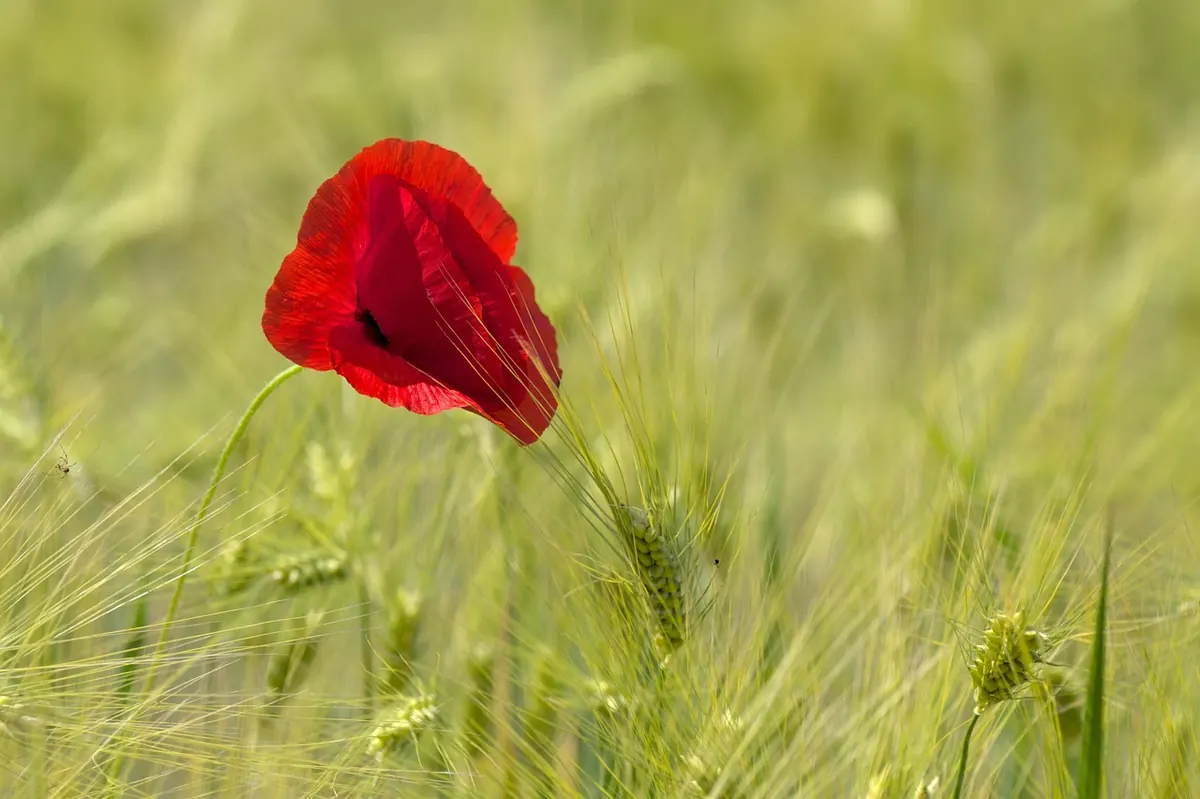
Wild and garden are not strict botanical categories. The field poppy, Papaver rhoeas, is a wild species, yet its Shirley poppy descendants are garden selections bred for softer colors and double forms. California poppies are often called wild, even when they are sown in a border. The practical distinction is about habit and intent: wild poppies are usually annuals or short-lived plants that self-sow, thrive in lean soil, and produce modest stems; garden poppies are chosen for bigger flowers, longer stems, doubles, or decorative seed pods.
For cutting, ask three questions of any poppy: Will it stand up in a bucket? Will it bloom when I need it? Will it come back without fuss? The answers separate the wild from the garden far more usefully than a plant label does.
Habit and Bloom Time: What You’ll See in the Bed
Wild poppies
Field poppies and California poppies are the ones most gardeners mean by wild. They tend to grow low or middle-height, with wiry stems and open, papery flowers that move in the slightest breeze. Their bloom is often one strong flush in late spring to early summer, followed by seed heads and a fade. California poppies keep going longer in cool weather and close in dull light, which is part of their charm. They are best direct-sown where they are to flower; their taproots resent disturbance.
Garden poppies
Oriental poppies are herbaceous perennials with huge, bowl-shaped flowers in late spring and early summer, then foliage that yellows and disappears. Iceland poppies are cool-season plants with satiny petals and a long cutting window in mild climates. Shirley poppies are easy annuals that can be sown in succession for repeat bloom. Seed-pod poppies are grown as much for their dried heads as for their flowers. Garden poppies let you stretch the poppy season from late spring into midsummer; wild poppies are more of a moment. That moment is worth having, but do not expect a field poppy to carry the cutting garden through August.
Cut-Flower Performance: The Vase Tells the Truth
Poppies are not daffodils. Their stems are hollow or sappy, their petals are thin, and many flowers resent handling. Even so, the difference between a stem that collapses by lunch and one that holds for a few days is mostly about timing and treatment.
- Cut in bud. Harvest when the bud has cracked and the color is showing, not when the flower is fully open.
- Sear the stem ends. Hold the bottom of each stem over a flame for a few seconds, or dip the bottom inch in just-boiled water, then place it in cool water.
- Work in shade. Carry a bucket of cool water into the garden and get stems into it quickly.
- Keep arrangements loose. Poppies look best in shallow bowls and airy mixes where they are not crushed by heavier stems.
Wild poppies in the vase
Wild poppies are at their best in small posies and short-lived arrangements. Their petals may fall by evening, and their stems are not built for tall, formal bouquets. Use them as accents, cut them in the morning, and sear the ends. A few field poppies in a jam jar beside the sink can be more satisfying than a stiff centerpiece.
Garden poppies in the vase
Oriental poppies are dramatic but fleeting; cut them in bud, sear the stems, and give them space. Iceland poppies are the most reliable cut flowers of the group, with satiny petals that hold reasonably well in cool water. Shirley poppies are better than wild field poppies in a bucket but still delicate. If you want poppies for market bouquets, Iceland and Shirley types are more dependable than wild seed strains. If you want poppy seed pods for dried work, let some garden poppies mature on the plant and cut the stems when the pods are firm and dry.
Ease of Growing: Where Each Type Earns Its Keep
Wild poppies are easy if you give them what they expect: sun, drainage, and poor-to-average soil. They resent rich, wet ground and transplanting. Scatter seed over a rough surface, press it in, and keep the bed moist until germination; do not bury the seed deeply. Thin the seedlings so they have room to open. Leave a few pods to ripen and they will often self-sow, which is exactly what you want at the edge of a path or the back of a border.
Garden poppies need more planning. Oriental poppies want deep soil, full sun, and space; plant crowns where they can settle, and do not cut the foliage away too early after bloom, because the plant is rebuilding for next year. Iceland poppies need a cool start; in mild climates sow in late summer or early autumn, and in colder climates sow in late winter or early spring. Annual garden poppies are direct-sown. A simple rule helps: direct-sow annuals, buy perennials as plants, and never let any poppy sit in a tray of water.
A Simple Sowing and Cutting Routine
- Map the poppy window. Decide whether you want the early-summer flush of wild poppies or the longer cutting season of garden types.
- Prepare a lean seed bed. Clear weeds, loosen the top inch or two of soil, and avoid adding rich compost where wild poppies will grow.
- Sow and press. Scatter seed thinly, press it into the surface, and water gently with a fine rose.
- Thin generously. Crowded poppies produce weak stems; leave space for air and light.
- Harvest in bud. Cut in the cool of the morning, sear the stem ends, and place stems in cool water immediately.
- Leave a few pods. Ripening seed heads feed birds and give you next year’s self-sown patch.
A Practical Planting Plan for Poppies
Use wild poppies at the edge of the cutting garden, where their brief flush can be enjoyed without competing for prime rows. Give the main cutting beds to garden poppies: Iceland poppies for cool-season bouquets, Oriental poppies for dramatic early summer flowers, and Shirley poppies for easy annual color. Sow wild seed in autumn or early spring, plant garden perennials in good soil, and pick everything in bud. Then carry a lighter to the patch, sear the stems, and accept that some flowers are better for a morning than for a week.
Photo: Peggychoucair / Pixabay